

The Venus problem
Sacred Geometry, Sacred Fit, Radical Acceptance

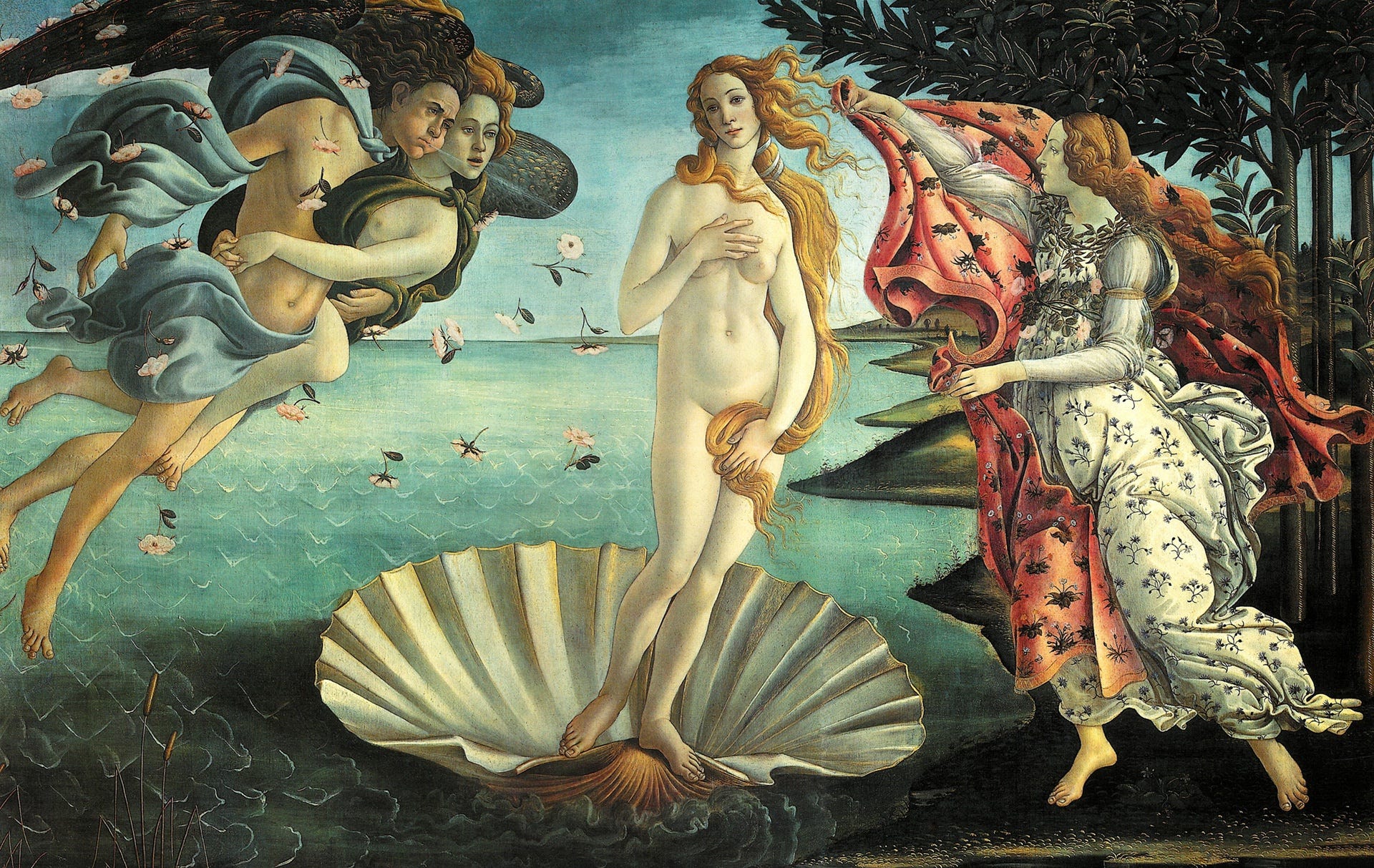
There’s a painting everyone recognizes even if they’ve never set foot in a museum. A woman stands on a shell, emerging, her weight settled onto one hip in a curve so exact that art historians have spent centuries measuring it. Botticelli’s Venus isn’t idealized the way we use that word now, airbrushed, narrowed, corrected.
She’s soft through the hip, gently curved, entirely unhurried about her own shape. And her proportions map with startling precision onto the golden ratio, the same mathematics behind a nautilus shell or a sunflower’s spiral. Botticelli didn’t invent an ideal. He found one already there, in the proportions of an actual woman.
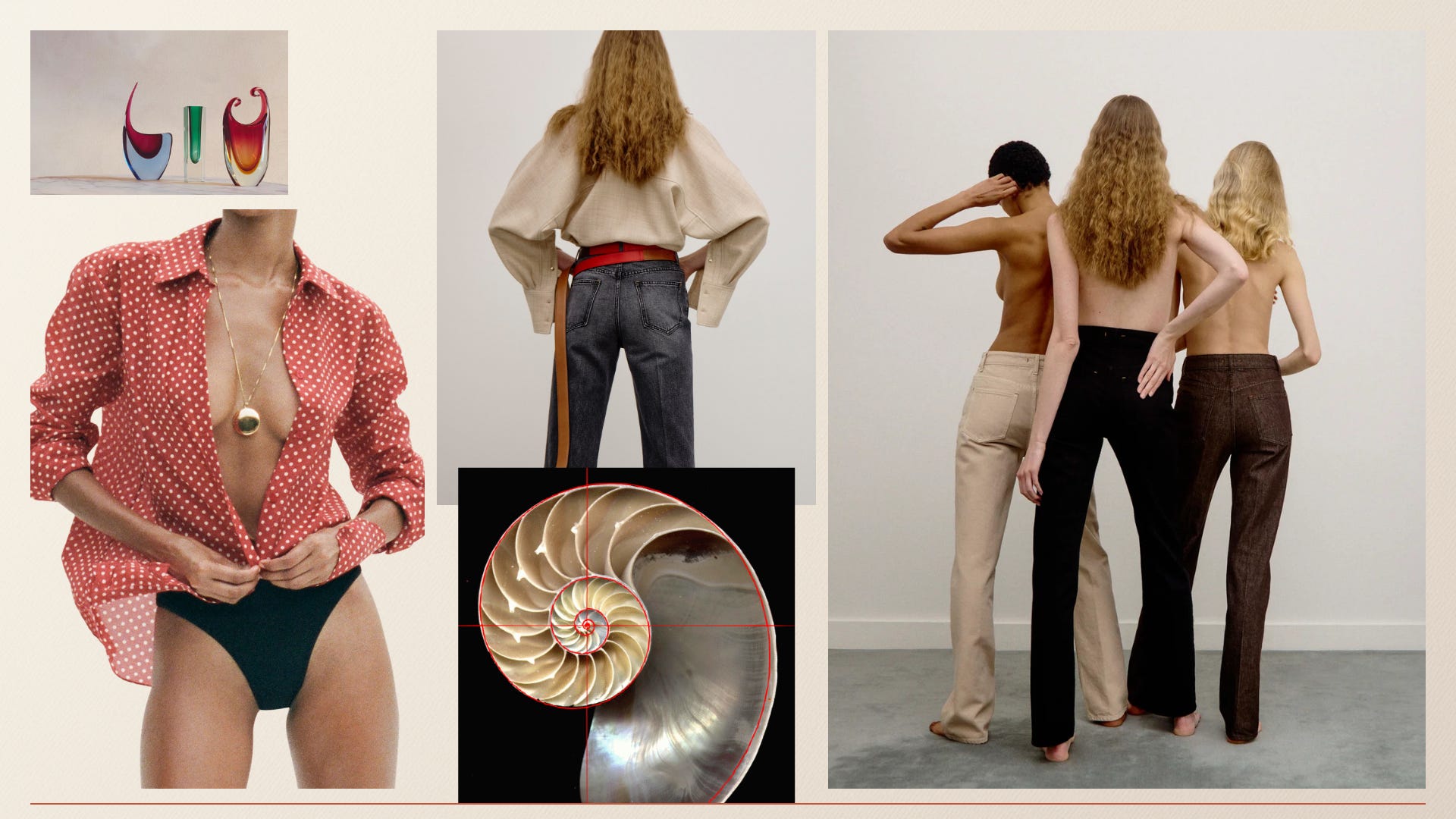
That geometry isn’t locked inside a five-hundred-year-old painting. It’s in you.
The spacing of your features, the rhythm of your particular frame, all of it follows proportion the way Venus does. You weren’t built as a deviation from some ideal in a designer’s sketchbook.
You are the ideal, mathematically, literally. There’s no other version of correct, whatever the culture around you keeps insisting.
I wish someone had told me that in my twenties, standing in dressing rooms, holding my breath.
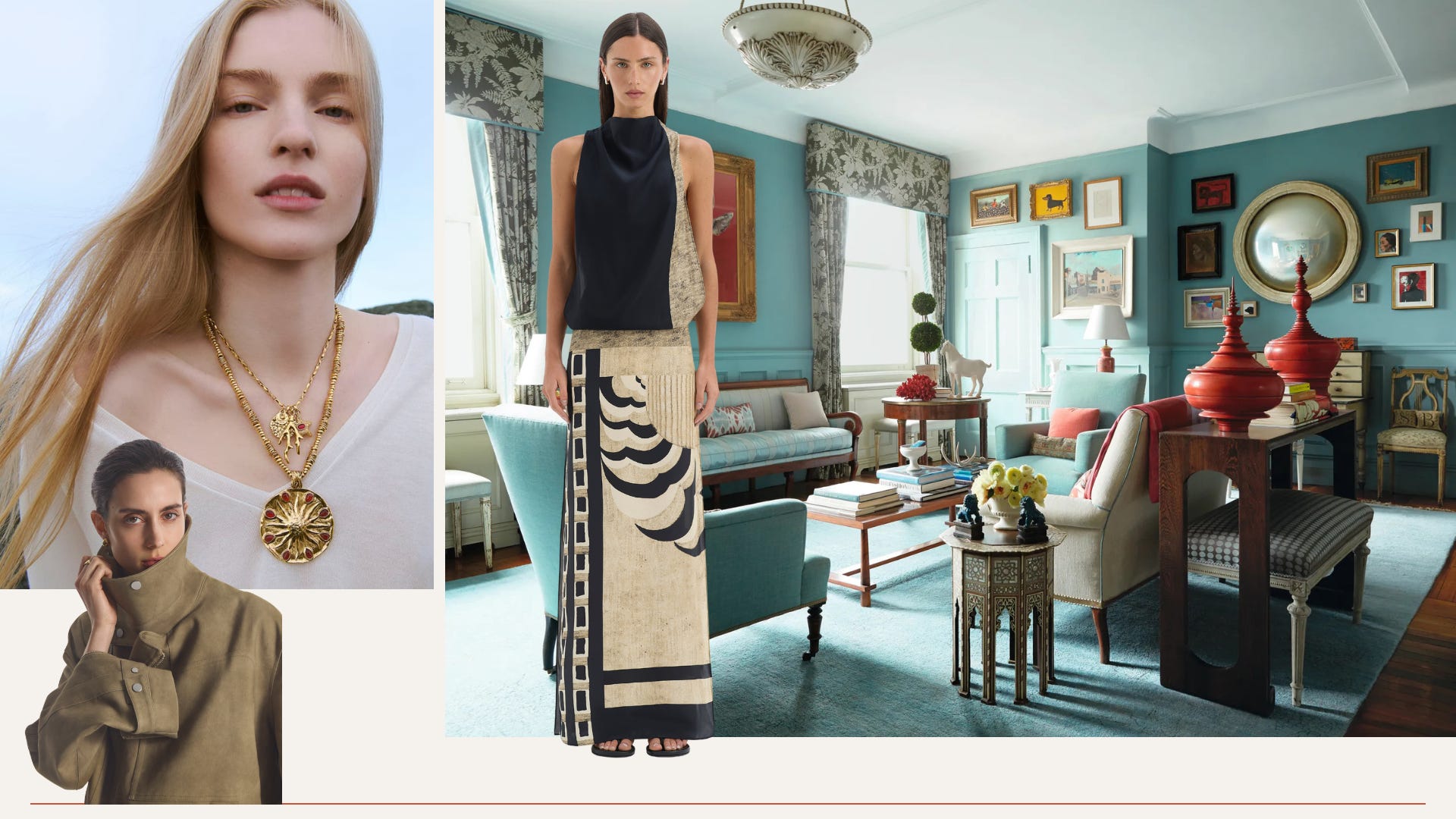
Part of the trouble is who we’ve been told to measure ourselves against instead. Models are chosen for a single narrow proportion from the nearly infinite range a body can take. Movie stars have a lighting director and a camera angle working for them before they even put on the dress. Influencers have twelve takes and an app. None of that makes them less beautiful; it just means their beauty is doing a different job than yours needs to.
Borrowing their proportion as your own standard is like tuning a violin to a trumpet. Gorgeous instrument. Wrong one for your hands.
You have power over your mind, not outside events. Realize this, and you will find strength. -Marcus Aurelius
I’m five foot two, small busted, and what stylists call a pear, wider through the hip than the bust, not unlike the woman on the shell. For years I dressed for the silhouette I saw everywhere, in magazines I was helping produce, no less, and wondered why nothing quite sat right. My body wasn’t failing to cooperate. I was applying someone else’s ratio to my own geometry.

Which brings me to the season ahead. Early fall is when the racks fill, in stores and online, with what we’ll actually live in for the next six months: blazers, trousers, the jacket or coat that carries you from a Tuesday to a holiday table.
It’s tempting to shop by trend, by whatever looked good on the model or the mannequin or the influencer built on an entirely different set of proportions than yours. Shop by ratio instead. Your ratio.
Every woman has cuts that already agree with her proportion, the way a key agrees with its lock. A trouser rise that meets your waist where your body already bends. A jacket that skims the hip instead of boxing it. A neckline that works with a smaller bust instead of gaping where a fuller one would fill it.
This is geometry, not preference, and geometry doesn’t change with the season, which is exactly why it’s worth learning once and keeping for years.
The specifics shift depending on what you’re working with —
A fuller midsection wants a garment that skims rather than cinches, since the goal is fluidity, not compression.
An hourglass wants the waist honored, not hidden under something boxy.
A straighter frame, closer in measurement top to bottom, can create shape through fabric and cut rather than relying on the body to do it alone.
A fuller bust and narrower hips want weight kept low, a wide-leg trouser or a fuller skirt, to bring the eye back into balance.
None of these are corrections. They’re simply different starting points, each with its own logic, and each one just as capable of looking extraordinary once you stop trying to force it into somebody else’s blueprint.
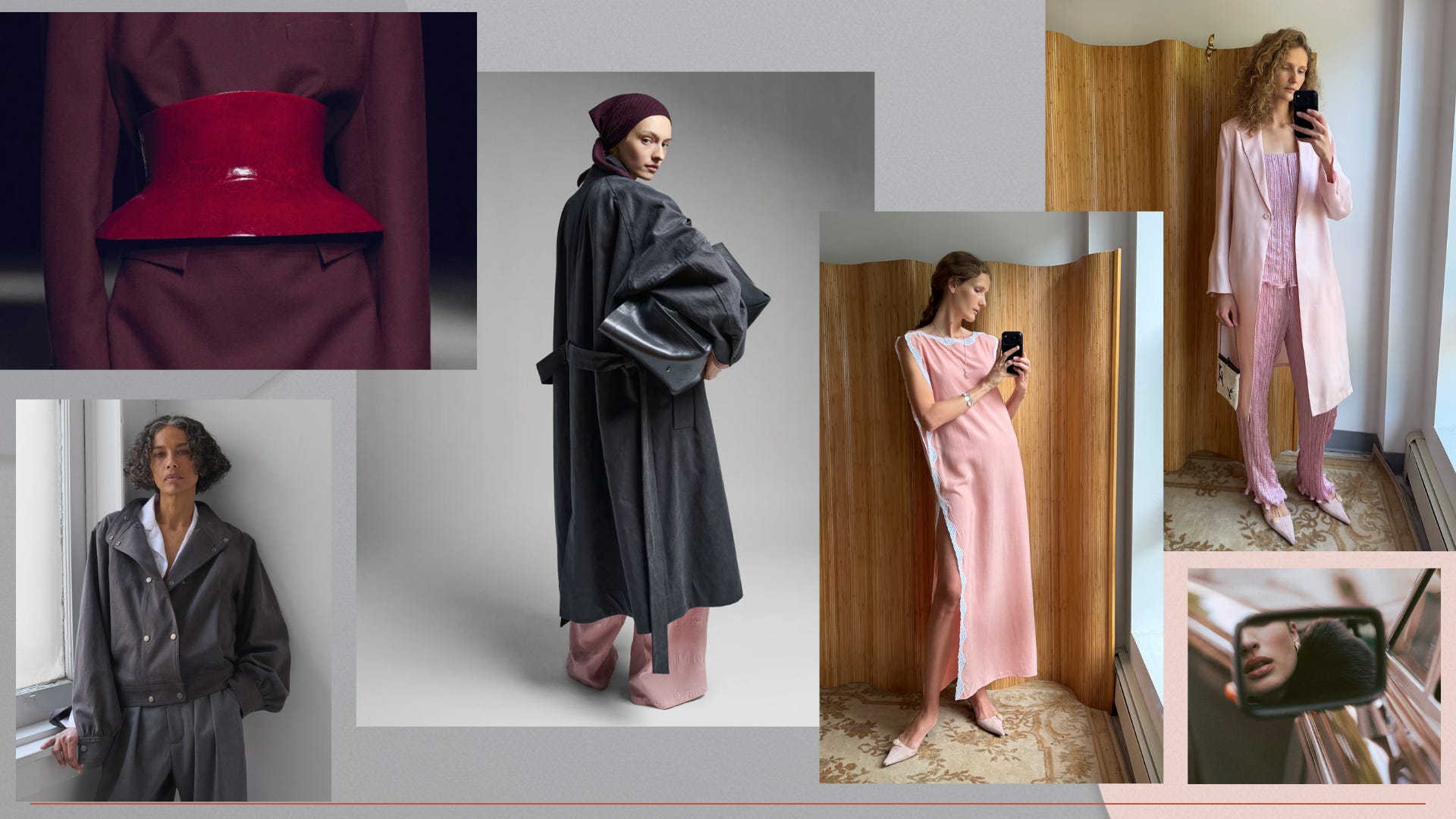
So let’s make it concrete.
Start with a mirror, good light, twenty free minutes. Notice, without judgment, where your body actually bends and narrows. Where your waist really falls, not where the low-rise trousers of 2003 convinced you it should.
Whether your hip runs meaningfully wider than your bust, the way mine does. Whether your legs read longer than your torso or the reverse, since that alone decides where a belt or hem should land; if your hip is your widest point, note it rather than trying to disguise it.
A garment that works with your shape reads far more chic than one straining to hide it.
Then stand in front of your closet and pull the three pieces you reach for without thinking, the ones that make you feel most like yourself the second you put them on.
Look for what they share. It’s rarely the color or the trend; it’s the rise, how a jacket handles the hip, how a top sits at the bust.
That repetition is your ratio, already announcing itself. Most women are wearing the answer and have just never been asked to notice it amongst the constant noise of marketing.
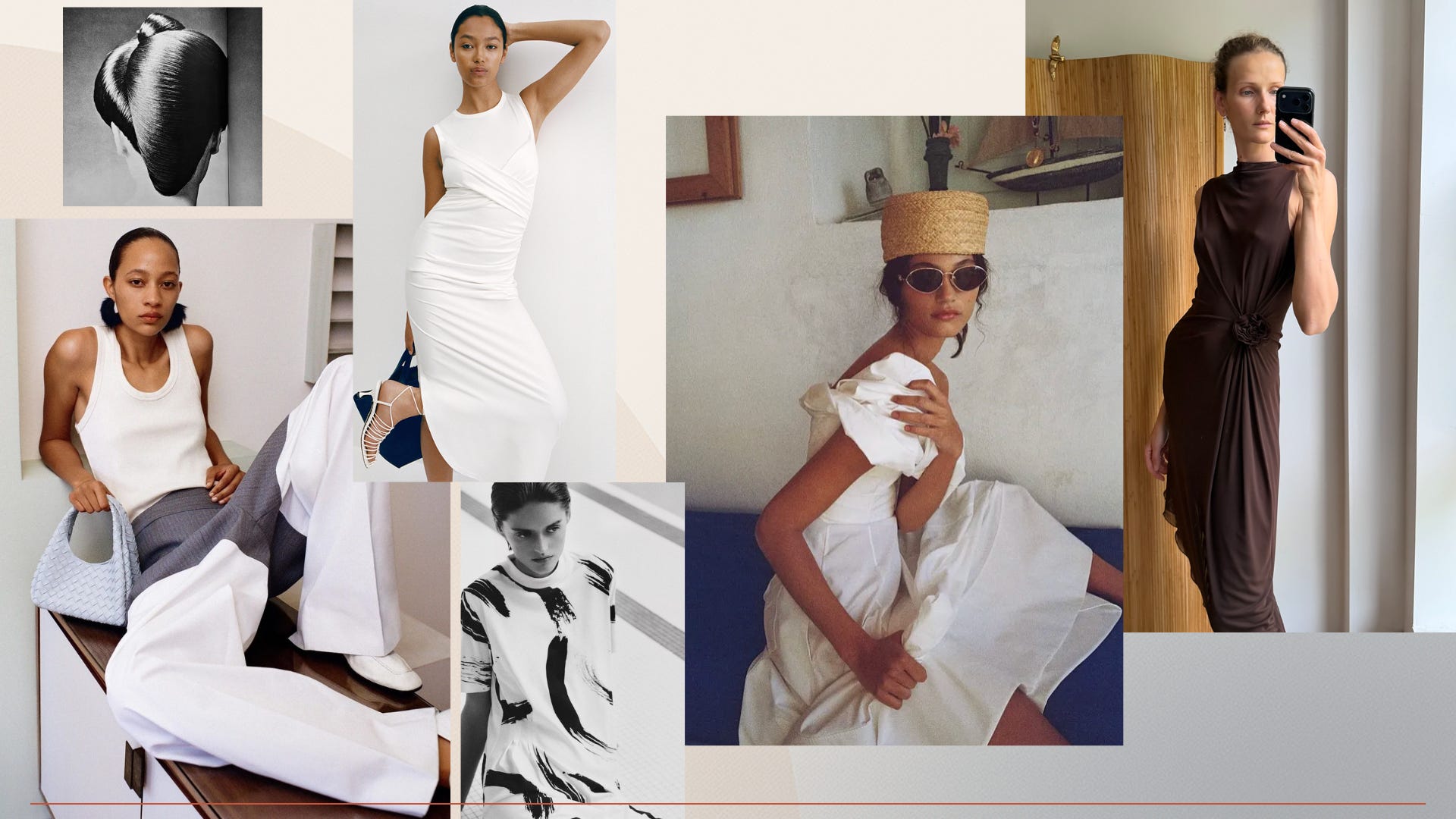
Carry that pattern with you when you shop this fall, whether you’re on a rack or scrolling your phone—one category at a time, a blazer before a trouser. Reach for the cut you already know works, just in a new fabric or a new season’s color, instead of whatever silhouette the homepage is pushing.
A ratio, once found, is patient. It’ll wear cashmere instead of cotton, camel instead of black, and still be exactly the shape you know works.
And resist buying for the body you hope to have next season, or the one from a screen, or the one you had ten years ago. Buy for the one in the mirror now. That’s not resignation; it’s gentle precision, and precision is what keeps a piece in your wardrobe for years instead of the donation pile by January.
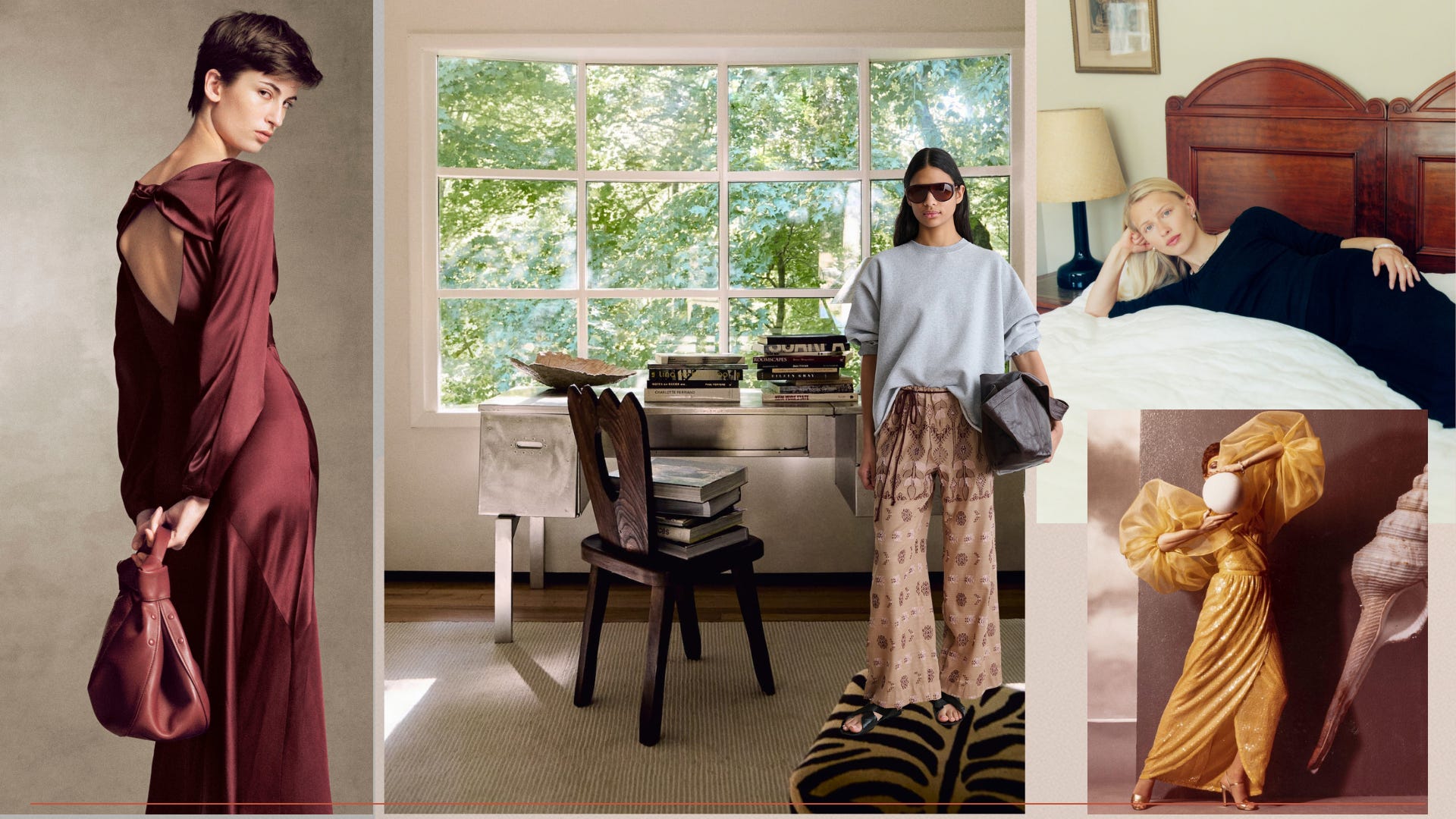
That’s the whole aha! You don’t need piles of options, and you certainly don’t need someone else’s body. You need the handful of cuts that already match your architecture, worn on repeat with confidence rather than doubt.
That’s how classic style gets built, the kind that photographs well at every age and never dates.
Botticelli didn’t paint one ideal woman and ask the world to become her. He painted proof that the ideal was already there, curved hip, soft shoulder, entirely unbothered, stepping off her shell exactly as is. Consider yourself already standing on yours.
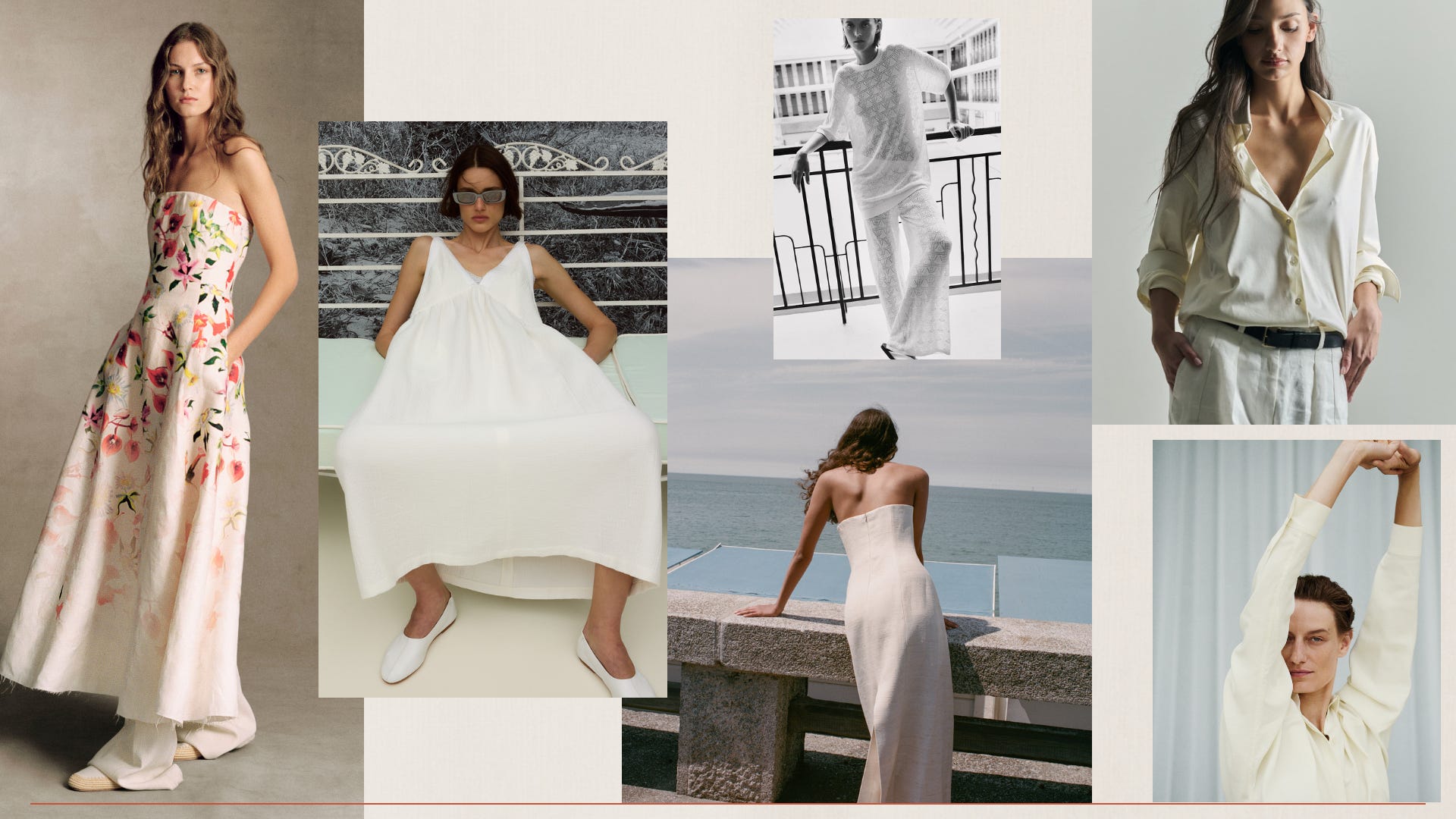
If you’re shopping this fall and aren’t quite sure which cuts are yours, that’s exactly the kind of thing I love working through with a client—one body, one ratio, one wardrobe that finally stops arguing with you.
The body doesn't lie about its geometry. It only waits for the cut that finally agrees with it. Let me know your questions in the comments. You know where to find me.
Bonus! A few of my favorite things right now, to give you the Pre-Fall vibes you are craving.
Archangel Gabriel’s angelic alignment copper bracelet
Elemental Magnesium Breakthrough Advanced 10
Electrolyte Breakthrough whole body hydration
Glossier cloud paint blush in Gale in place of bronzer for an elegant glow.
Ila Super Serum Skin Tint SPF 40 in shade Shela ST8 It’s very sheer, so hard to go wrong on the shade.
Nixit water-based personal lubricant Natural and organic.
Love this post!!!
You write brilliant and beautiful words every time, Lisa! In a world that champions an "ideal" silhouette dictated by a fast paced culture, you remind us that beauty comes in all shapes. Thank you for encouraging us to notice our unique physiques and to dress in a way that celebrates that. I'm grateful for this message and for you. ❤️